RESEARCH
Over the past three decades, Dr Campbell has studied questions related to the nature of community, identity, authority, and authenticity online through ethnographies, case studies, interviews, and textual analysis. She is known for her work on how Christian, Muslim and Jewish groups negotiate their choices around media technologies in light of the Religious Social Shaping of Technology framework.
Her research began in the 1990s, exploring how individuals used email to form Christian communities online. Since then, Dr Campbell has researched the rise of the kosher cell phone in Israel, the performance of alternative religious identities through Islamogaming, how religious apps & GPTs inform individuals' rhythms of spiritual practice, and the way popular perceptions of religion are shaped by digital technology and cultures. Her current research focuses on technology ethics and values that challenge religious communities' engagement with Artificial Intelligence and other emerging technologies.
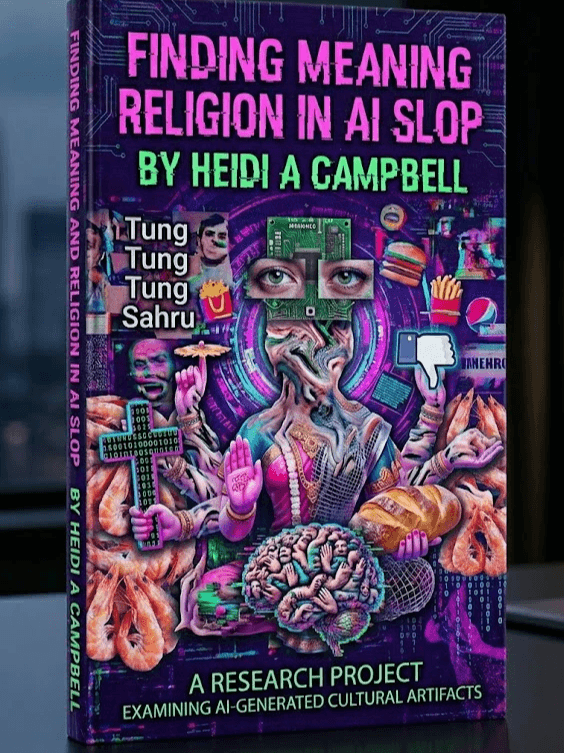
Finding Meaning and Religion in AI Slop
This research project examines AI-generated “slop” as more than low-quality digital content, framing it as a meaningful cultural artifact that reveals shifting perceptions of reality, truth, and authority in an AI-driven age. Moving beyond dominant technical, environmental, and cognitive critiques, the study emphasizes close readings of viral AI-generated slop images (such as Shrimp Jesus) and brainrot (such as Tung Tung Tung Sahru) to understand the social and symbolic significance they embody. Particular attention is given to the prevalence of religious themes in AI slop and to the ways sacred figures and narratives are reimagined in mass-produced digital forms. By analyzing these representations, the project investigates how AI-mediated communication reshapes meaning-making, cultural values, and religion's role in and age of AI.
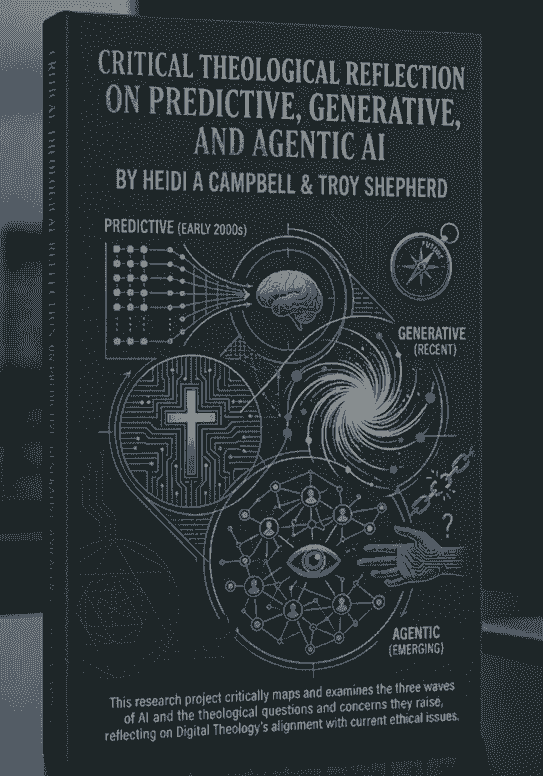
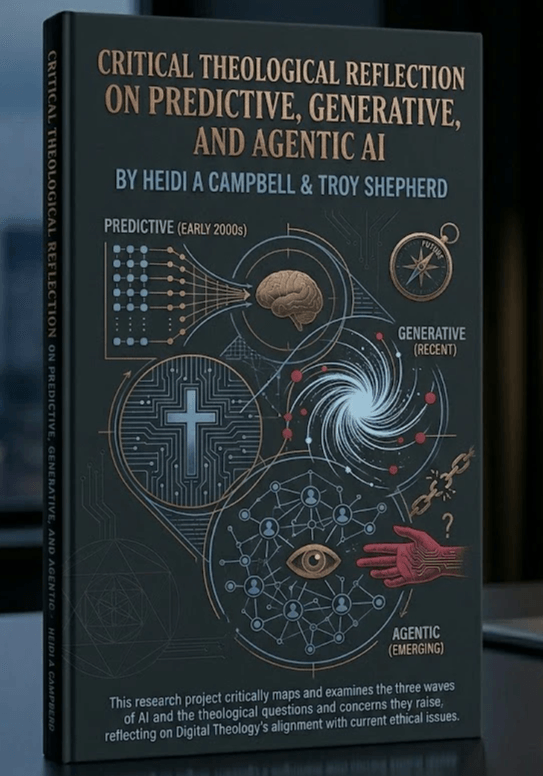
Critical Theological Reflection on Predictive, Generative, and Agentic AI
[with Troy Shepherd, Clear Echo Labs]
This research project maps and examines three waves of Artificial intelligence emerging over the past two decades--Predictive, Generative, and Agentic AI--and the correlating theological questions and concerns raised by these forms of technological innovation. It seeks to critically evaluate current debates within the field of Digital Theology and how they map onto the actual functionality of mainstream, publicly accessible AI tools. This is done to reflect on whether current concerns in the Theology of AI may be overly future-focused or hype-driven, and less aligned with the actual ethical issues raised by the current generation of AI.
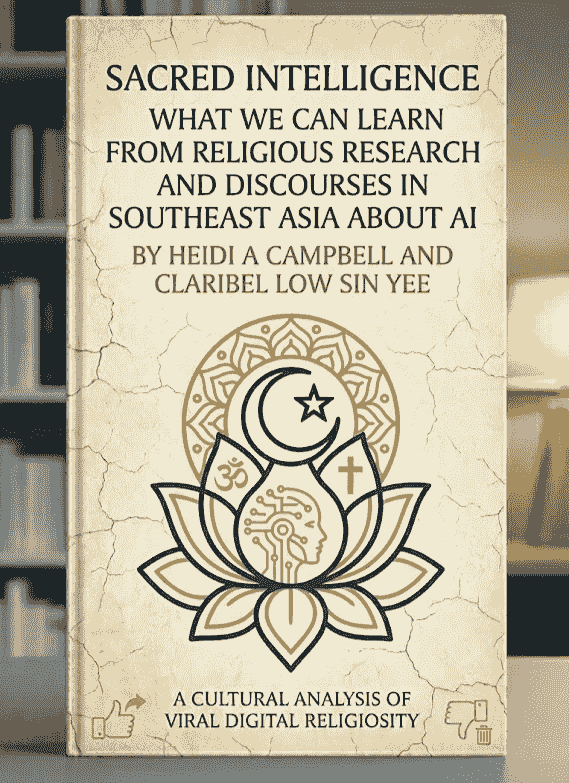
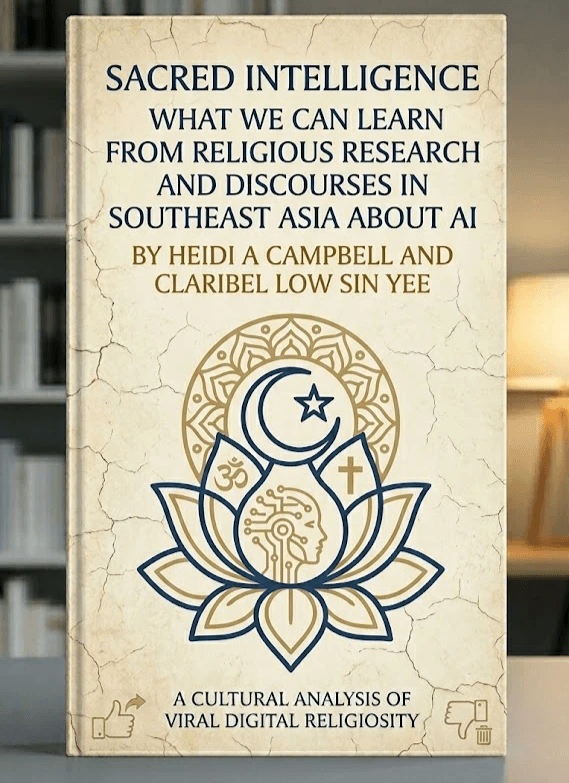
Sacred Intelligence: What We can Learn from Religious Research & Discourses in Southeast Asia about AI
[with Claribel Low Sin Yee, Nanyang Technological University]
This research project explores the social, cultural, and spiritual impacts of AI in Southeast Asia, highlighting the region as a key site where technological change intersects with religious pluralism. Centering Buddhist, Muslim, Hindu, and non-Western Christian perspectives, it challenges dominant Western AI ethics frameworks. The study examines how core ideas of consciousness, community, and the sacred across different religious traditions reshape popular discourse and debates about AI in this region. The goal of this project is to amplify the Asian religious scholars and draw attention to their understanding of what ethical human–AI relationships could and should look like.

Tech in Churches during Covid-19
This research project investigates the role that technology has played in church during the COVID-19 pandemic, and the ways digital media use have shaped the worship, outreach, and theological outlook of congregations at this time. The study draws on data collected via the Center for Congregations in Indianapolis, on approximately 2700 churches who received technology grants to facilitate online worship during the pandemic. By analyzing demographic data and narratives provided by grant awardees, the project seeks to map how and why various digital media and strategies were implemented by these churches in order to help them serve their congregations during this period of social distancing. This involves analyzing the rationale, motivation, conceptual plans, and actual implementation process related to technology undertaken by church staff and leaders at this time. The goal is to investigate the theological and social implications of these technological choices and consider the long-term impact that these might have on congregational vitality and mission.